
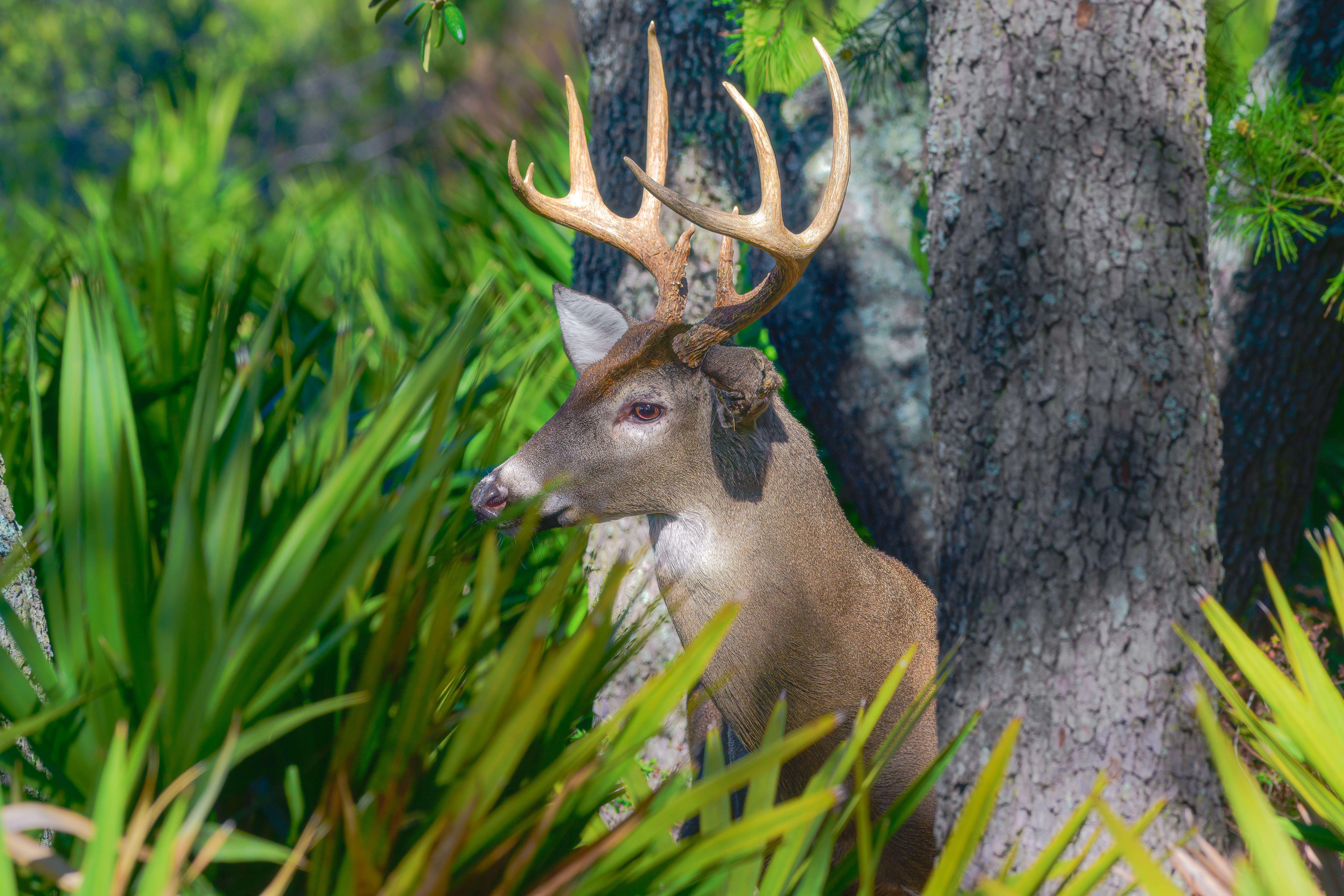
Pressure is what kills the likelihood of meat at the skinning shed. It is why bucks “disappear” from your property, or do they? Too many sits in a stand and poor access techniques dramatically decrease odds of seeing and taking whitetails. Especially, mature antler sets. However, you can absolutely capitalize from the shift in movement for increased opportunities to fill tags and add to your shoulder mount collection.
It doesn’t take long for a stand to be burned. Cashed from repetitive hunters walking in and out. One of those times will be the hours surrounding dawn and dusk, when deer are the most active. Matt Ross of the National Deer Association wrote a very informative article with data to support this fact. Deer are an exceptionally cunning prey species and quickly adapt to our presence. They don’t leave the property; deer just avoid hunters as they become predictable during the season. Access roads, walk-in trails, preferred stands, scent, noise, it all adds up. Especially, at the times when whitetails are the most active.

How often do you have a food plot or feeder being hit hard, but deer aren’t showing up at daylight? They don’t become nocturnal; they simply avoid when and where we’re trying to kill them and that’s exactly how a hunter can use this to their advantage. Hunters, in general, place too much stock in trail cameras. Unless, you have a GPS device strapped to a deer, you have no clue what it’s doing day in and day out. Cameras only document a fraction of herd activity and there will be a group of older deer that actively avoid camera sites.
Once we’re in the meat of the season, it’s time to shift our approach for stand selection. Being unpredictable is the most lethal method of seeing and harvesting deer. You can’t hunt based on where you want deer to be. Rather, hunt based on where they’ll feel the safest which is the lowest amount of pressure. Whitetails consume approximately 6% of the body weight daily. They constantly browse whether it’s around bedding or destination sites. By switching from routine stands to fresh, un-hunted travel and passive sites, you’ll observe deer avoiding heavily pressured areas. You don’t need to drift too far out. Deer will skirt around stands within 100-200 yards easily. They associate danger being a relatively close distance from human presence.
If deer aren’t showing up to a field until an hour after dark, cut them off adjacent to their bedding. Watch them slowly ease out prior to gray light. Likewise, don’t hunt open fields in the morning. Rather, sit tight to bedding away from destination feed locations. This is exactly how I harvest both bucks and does consistently once hunters flood the woods. If you follow my Instagram account, you know that I run an old-school face-the-tree climber. I wish I kept a record of deer killed from it over the past 28 years. My style is mobile but that’s not the only way for this approach.
Prior to the season, identify sites that will be effective with this method and setup stands. Lean-to ladders, lock-ons, tripods, climbers, whatever you have. Think about typical wind directions for the fall and trim lanes and openings as needed. Mark access routes and consider where your scent will be blowing from the setups and walk-in points. Save these sites from any hunts until the time is right. When daylighting deer vanish from favorite stands.
We should also consider what whitetails may remember from avoiding death on the landscape. Why would they not remember? Mother does teach fawns how to observe and avoid danger. They may ease into comfort around a man-made structure, but they rapidly detect any sense of human presence. I believe deer remember permanent stands. They may step out but will keep a close eye on movement. Another reason to conceal setups completely within the woods.
In conclusion:
- Be unpredictable.
- Don’t be afraid to hunt areas where you may think deer aren’t moving through. They likely will be 30+ days into the season.
- Deer do not turn completely nocturnal.
- Biological drive is not altered by humans.
- The necessity to feed is not altered by humans.
- Avoid pressured roads for access but do hunt on them. You will be amazed how deer cross access points between hunter usage times.
- Keep in mind that whitetails frequently bed on top of fields and food plots. Observing hunters as they walk in and out. You many never see them, but they are present. Just check for beds around these areas.
- Be aware of how and when your neighbors hunt. You may be able to place yourself to kill based on their schedule.

Leave a Reply