
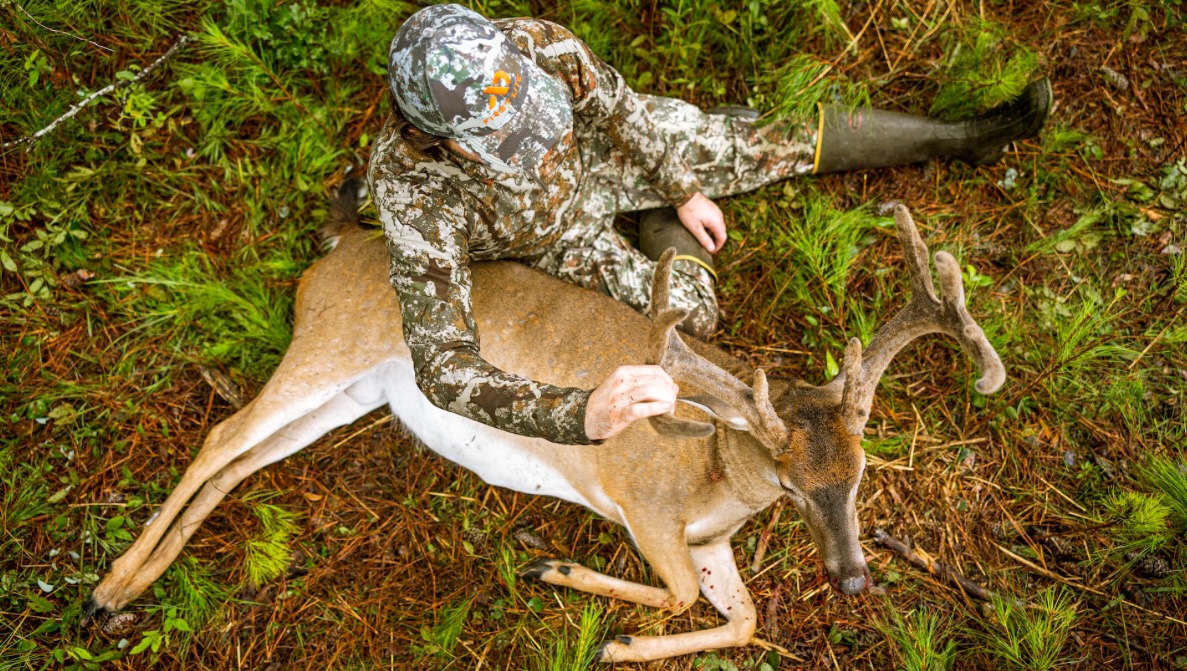
Cold beers on sandbars, stringers full of crappie, and high tide boiled peanuts; there are many ways we beat the heat in the Deep South. As Clint Black penned: “This killin’ time is killin’ me, drinking myself blind thinkin’ I won’t see”. Nevertheless, we must stay focused on the task at hand: prepping for the early days of whitetail season. The time before bucks shift to pre-rut behaviors. Deer can be targeted and killed without altering their natural movement patterns from corn piles and feeders. I’m going to cover several tactics I use annually to consistently tag August and September bucks.
Mornings
A.M. hunts have been far more productive for me than evening sits. Our observational logs show more buck sightings in the morning from mobile setups than evenings. Mobile meaning a climber or lock-on platform style stand. As opposed to permanent towers, blinds, tripods, and ladder stands. Mature bucks travel to destination food sources sometime between dusk and shortly after dark daily. They may mill around bedding sites before making the trek to food plots, agriculture fields, and cutovers or they may hit those spots 60-90 minutes before last light. Either way, hunters have a relatively short window to close the deal during afternoon sits.
Bucks tend to casually drift back to bedding in the morning. Doe groups move with purpose at first light with the matriarch typically leading a single file squad directly to bedding safety.
Lingering Sites
So where do bucks linger as they slowly drift back to bed in the mornings? They want a certain level of safety and food options to browse their way back into bedding. Bucks generally leave open fields, food plots and sites associated with danger by gray light. At that point, they will ease back into the still darkened woods.
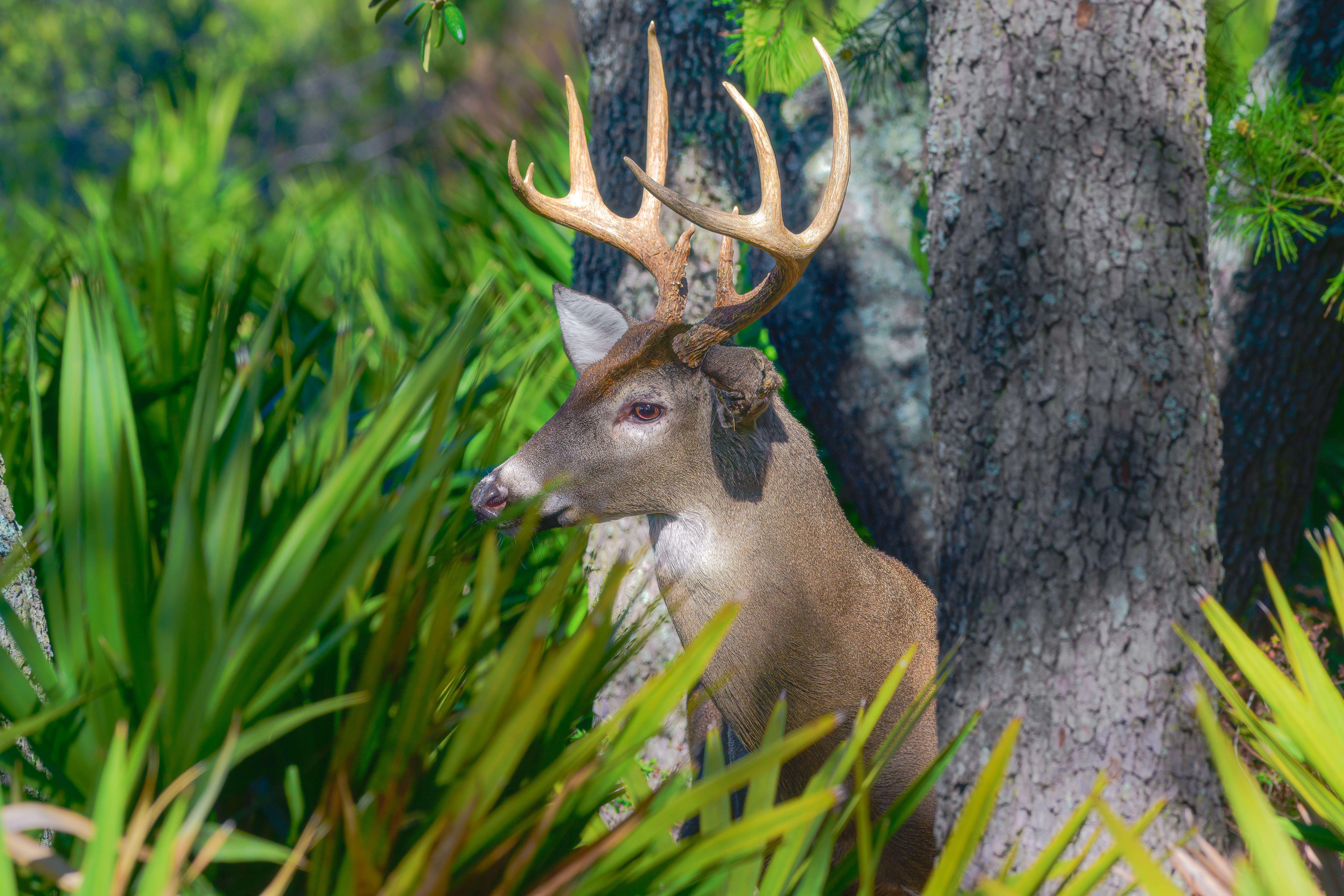
A few sporadic plants won’t slow down a buck. You need ample early successional growth so they can maintain summer pot bellies. Acorns won’t be down yet so young, tender growth is what they target. Key in on thinned pines with vegetation height of 3-5 feet. Sunlight saturated timber and newly burned blocks are golden. Even though these areas have lower densities of trees, deer will be hard to spot from ground level making them feel safe. However, a hunter elevated 20-25 feet will be deadly. You’ll be able to spot them from a healthy distance in time to set up for a shot.
Bottomland and swamps are also excellent to catch bucks meandering at first light. This terrain is much easier for whitetails to hear danger approaching. They are also better equipped to flee than most predators.
Rainy Mornings
I’ve sat in exposed climbers during torrential downpours many times. It’s miserable. No matter what gear or camo brand, you’ll be soaked to the bone within 20-30 minutes. Not to mention rain gear doesn’t breathe. Storm fronts can slightly lower temps but it’ll still be steamy. Scopes, binoculars, and range finders will fog. It’s a mental toughness test to put yourself in an ideal position to kill bucks right after the rain subsides.
I’ve witnessed many individual bucks and bachelor groups delay returning to bedding when rainfall occurs and lasts through first light. Maybe it feels cooler and refreshing from the brutal summer heat. It’s easy to sleep-in knowing the rut is a month or so away but why miss an opportunity? Some bucks will keep home ranges that fall on your property and some will shift during pre-rut and you may never see again. Most states have multiple seasons within regulation dates: early, pre-rut, rut, and late season. Hunt each methodically and you’ll kill bucks early and often.
Food Plots & Ag Fields
Sitting on food plots is deadly. We all know that. If you have bucks coming in during daylight hours, you’re made in the shade. However, if one doesn’t show up by 30 minutes after sunset, you will risk educating deer of your presence and spoiling chances at griping antlers. GPS collar research has shown that bucks avoid fields and stands with human pressure for 7 days on average. They may return but with more knowledge of perceived danger. Choose food plot and agriculture field hunting wisely and always have a design to where you can slip into the stand undetected should game already be out. You want distance and concealment.
Hunting Outside Bedding
As mentioned above, sitting on destination food sources is high risk, high reward. By scouting bucks over the summer or knowing where they prefer to chill during the day, you’ll know where to hang and hunt. I kill bucks this way every year. Tried and true and you shouldn’t overthink it. Don’t attempt this in the evening. You’ll have one shot if you do and it’s low. Even if you don’t see a buck after an afternoon hunt outside bedding, how many deer will observe your presence from the moment you climb down to reaching your truck? Early season is not the time to gamble. It’s not breeding season when whitetails are biologically wired to continue the species’ existence ultimately increasing vulnerability.
Understanding Doe Group Patterns
Doe groups live in much tighter core areas and tend to bed closer to destination food sources. They can and will destroy chances of connecting an arrow or bullet to buck vitals if you’re not meticulous how, when, and where you hunt. Scout where they bed, eat, and the travel routes between. Typically, bucks bed further from food sources. Use that to your advantage.
Human Activity
Oftentimes this cannot be controlled but you can use it to your advantage. Deer easily learn patterns and will skirt around human presence or at least maintain a safe distance. Monitor around your hunting grounds and map it on aerials to predict whitetail movement. Combining that with land features, bedding, and food sources will produce more antlers on your wall.
Scout but Don’t Glass
Glassing whitetails is a popular trend for Midwestern influencers. They’ll wear full camo, film deer during the summer and post many photos of them doing so. This approach may work for less challenging hunting grounds but it’s not a tactic I implement on highly pressured regions with skittish Southern deer. Bump deer from a field and it’ll burn the spot. Does will come back but bucks won’t forget. Why roll the dice? Scouting midday will produce successful results. Trail cameras, tracks, travel corridors, browse lines, and snipped plants will indicate what you need to know. Over the past 3 years I’ve pulled back on trail camera usage. I’ve enjoyed the idea and excitement of not knowing what specific buck may step out but having real time intel confirming a buck will be present when hunting smartly.
Man Up and Embrace the Challenge
I’ll leave you with this: Over the past 18 college football seasons, 16 National Championships have been won from the Deep South. Elite train throughout the summer and gut it out for the highest level of success. Don’t let mainstream outdoor media fool you; early season bucks can be taken with natural movement patterns. Furthermore, these bucks may be shifting to your neighbors property once breeding season fires up.

Leave a Reply