

It’s mid Spring and most Southern hunters are knee deep in the turkey woods. It may be hard to imagine but deer season will be approaching very soon. Why wait until the sweltering heat of summer to scout your local herd? There are several tactics to implement now to kill bucks before the breeding season takes over; when whitetails become less predictable. This method has proven results if you harvest bucks based on age.


Trail Cameras
Many hunters delay hanging camera sets until middle of the summer. If your goal is to pursue a mature buck early, you may be cutting it too close with extra pressure right before the season starts. Keep in mind that most herds don’t see much human interaction during the off season. If you flood the woods prior to the opener, you may be setting yourself up for delayed sightings until the rut. Wily old whitetails are easily educated and will shift upon a new threat of danger.
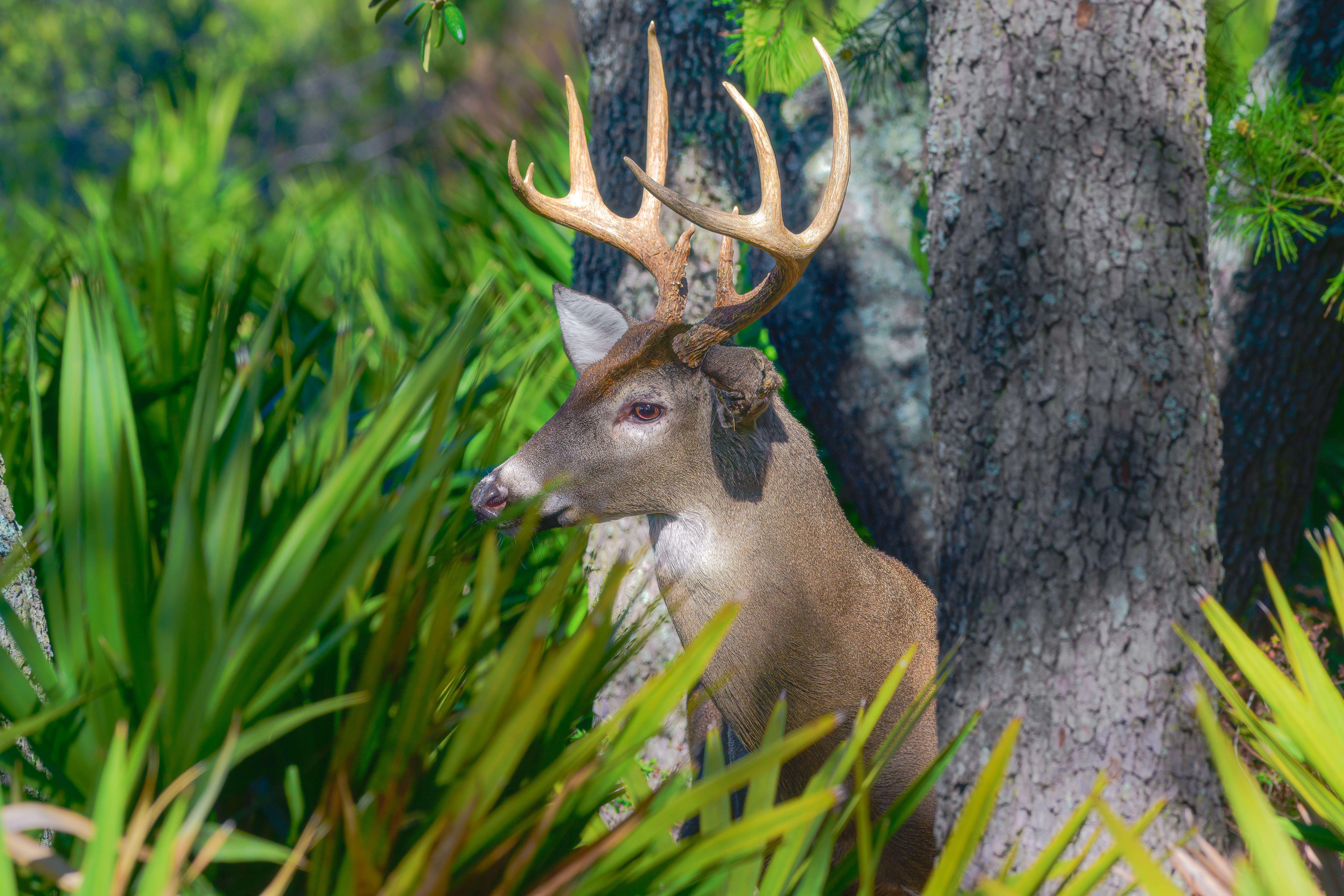
Antlers are beginning to grow and bases are thickening. Body size is the key to aging right now. Bucks are close to their summer weight and aging on the hoof is much easier than late Fall when they sharply cut weight. Cameras will find monster bucks now. Get a leg up on their whereabouts and sit back with limited to no pressure until the season opens. This can be advantageous if it takes several camera sites to locate bucks. The more human presence the more likely you’ll educate target bucks.

Variables
With any wild game of pursuit, there are certainly variables that will shift deer movement. Let’s take a look at some:
1. Agriculture Crops
Are local fields in agriculture production? If so, what has been planted this year? Those are essential questions to assess when hunting August and September bucks.
Cotton is browsed lightly or heavily depending on other forage availability. If you’re in a region with intense cotton production, you will see increased deer browse on new foliage growth. Whitetails will hammer tender plant growth. In 2023 Clemson University estimated $46 million in crop losses. Roughly $243 per acre of depredation.


Peanuts are highly preferred and will get hit heavy throughout the summer and fall until harvest. However, peanut plants are low lying and offer zero cover & safety. Therefore, you’ll witness a definitive pivot once the season picks up with increased hunters. However, you can use this to your advantage. Hunt peanuts early and be precise with your exit at dark. Ideally, your setup should allow you to not be visible coming or going. Stands should be placed several trees within the woods with walking routes distant from game trails. Go unnoticed and you can hunt stands multiple times.

Soybeans are similar with high preference but they do provide some cover with height approaching 2-3 feet. Of course, that can vary. Bean fields should be hunted with a similar approach. I like to hunt these fields early for bucks and doe quota kills following a period of rest before the meat of the rut fires up.

Corn can be tricky to hunt with most fields planted “wall to wall” and no shooting lanes present. Deer will slip in and disappear. Carbohydrate heavy and plenty of cover; an ideal destination food option for a species that consumes 6-8% of their body weight daily. Deer begin to hit the ears in July and will stay with it until harvest. Most fields will be cut in August or early September. Depending on the equipment used, there may be a significant amount of corn left scattered across the field. Game will flock to it but safety & cover will mimic peanut fields.

2. Food Plots
Similarly to ag fields, supplemental food plots should be monitored for deer usage. Size plays a major role to be viable locations early fall. Small plots may be devoured prior to the opener while other plantings like sunn hemp may be delayed if there are beans in the immediate area. Study browse pressure and identify where bucks are bedding. If bucks aren’t arriving to the plots until after dark, hold off until does are in heat.

3. Timber
Forestry work is overlooked quite often. Hunters tend to focus on planted fields, feeders and corn piles over freshly cut trees. That makes these sites even more deadly. Clear cuts are deer magnets. Cruise these sites with early successional growth and observe browse pressure. Lower terrain sections are often where deer feel safe. Especially, adjacent to bedding. You can learn a considerable amount about your herd from clear cuts. Later in the season, these may be excellent cold weather bedding locations.
Recently thinned trees will open the canopy and expose needed sunlight. This will spur tender growth crucial to the needs of whitetails. Logging equipment will disturb the ground and uncover the native seed bank. Walk and observe. You might be surprised but it shouldn’t be shocking. Deer are prey and they feel comfortable where humans are nonexistent.
Summer Range
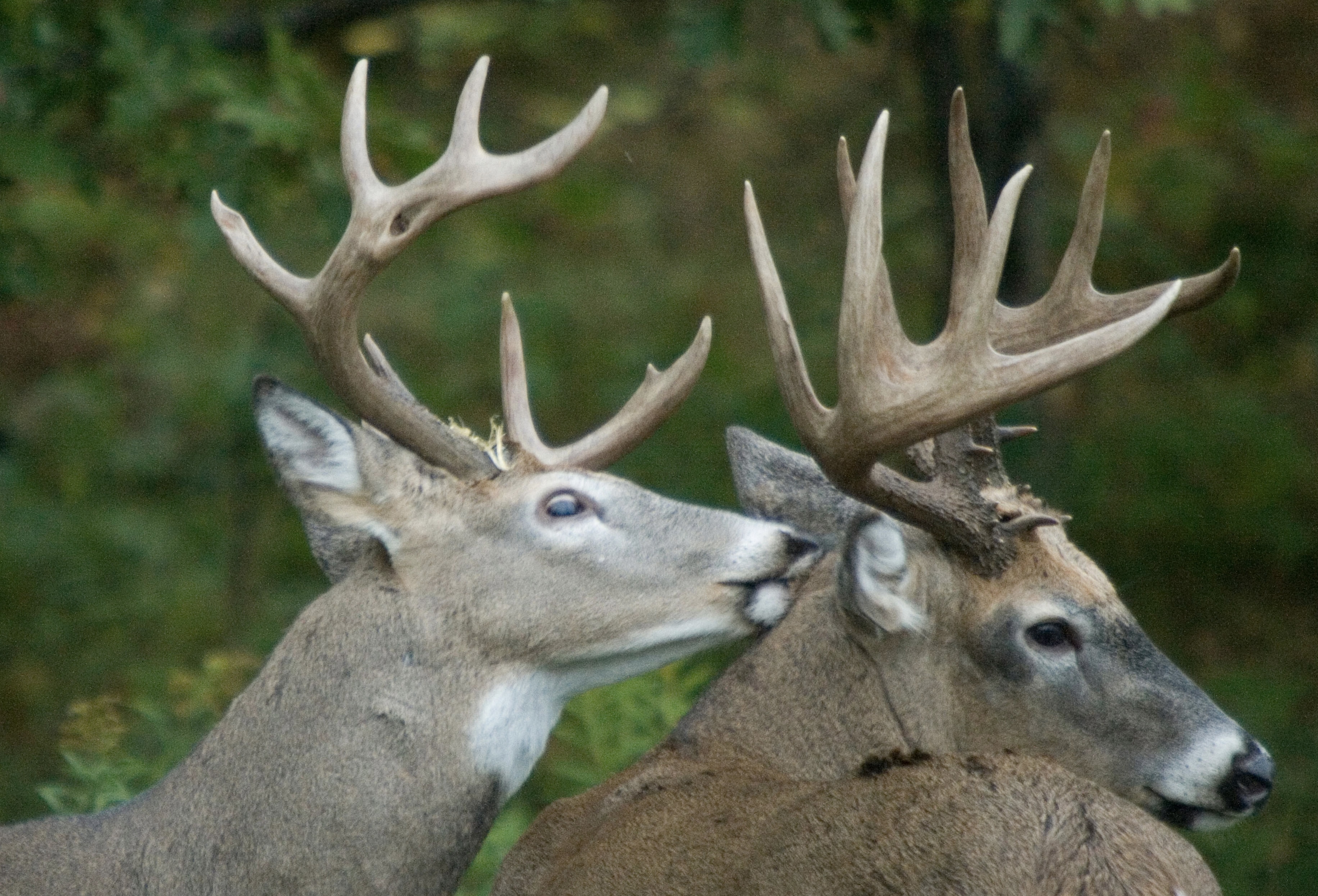
Bucks form in bachelor groups during the winter when antlers cast and will remain until velvet peels and testosterone spikes. Some groups are 2-3 while others can be double digits. The largest bachelor party I’ve witnessed was 12 but I decreased the number to 10 before they left. Keep in mind that bucks won’t always travel single file and trail cameras might only pick up a couple passing through.

When the groups break up, ranges shift. Therefore, you may notice certain bucks “disappear” from your hunting ground. Don’t be alarmed, they will be around during the rut. Behaviors change and movement will tighten up before breeding season. More on this will be covered in a future article.
Bonus Tip – Doe Groups
Does typically won’t shift around much during the year. They prefer a home range of 200-300 acres where safety, food and water are present. If you observe a large doe group with many pregnancies or young fawns, take note. Those are exceptional breeders and will be targets for bucks when esterous flares. Combine that knowledge with this article and you’ll have high level data to kill top bucks during the rut.

As I wrote this article over the course of several days, Southern legend Dickey Betts passed away. I’m reminded of his 1994 ABB classic “Back Where it All Begins”. 25 years after the band’s debut. It may be viewed as a simple take, but I think it can be applied for the hunt of mature whitetails. Currently, bucks are back where they survive most of the year until the rut takes them to vulnerable locations pursuing does in heat. Locate mature whitetails now and you’ll be visiting your taxidermist a lot earlier than usual.


Leave a Reply