
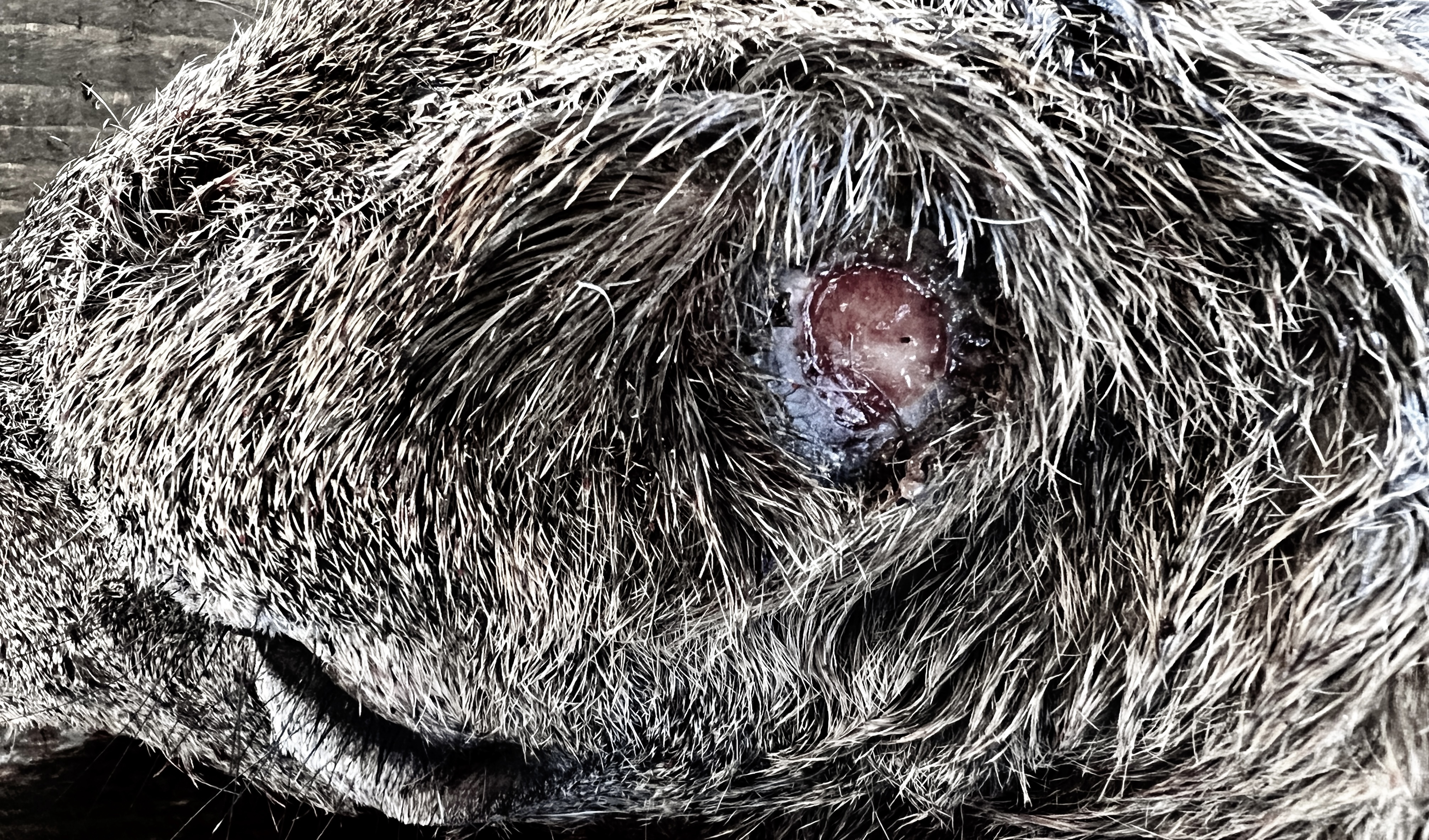
The stark reality of managing a deer herd is the certainty of death. Blood, sweat and tears are shed to produce the highest quality whitetails only for them to die within a relatively short period of time. Disease, sickness, age, predators, weather, wounds and automobile collisions all contribute to non-hunter related deaths. Poor habitat and deficient nutritional food options directly impact health and susceptibility to illness.
When you see the final remains of a carcass, do you assume it was killed by coyotes? That’s the easy and most widespread response. Yotes are blamed for most whitetail deaths, but truth be known they mostly feed on small game and scavenge deer carcasses. However, they will take down weak and sick deer given the chance being an opportunistic predator.
Annual mortality must be factored into herd population models and management efforts. You should expect to lose approximately 10% of your herd annually outside of hunter harvests.
Many years ago, while walking the woods I came upon a dying buck. From 30 yards it looked like a deer laying on its side that didn’t appear to be scavenged yet. Right on the edge of spring head pool of water. As I approached, its head lifted, looked at me, and lowered back to the ground. It began to grunt and that’s when I knew it was a buck that had casted both antlers.
He was breathing slow and only his chest was moving. I had two choices: leave him be for a definite demise or take the deer to the skinning shed. The latter would provide a necropsy to identify health issues which would be beneficial for herd monitoring. When given the opportunity, always perform a full necropsy evaluation to learn all you can about herd mortality.
I skinned the deer like I would any other. A 3.5-year-old buck with a weight of 121lbs. Bones visible under the hide, but the coat was full and intact. A 3-year-old winter buck should weigh around 165 – 170lbs in our area post breeding season. The following summer, at 4 years he should weigh approximately 195 – 205lbs.
The necropsy revealed the following:
- No wounds or penetrations in the hide.
- Small areas of bright yellow tissue coloration around the chest.
- Zero kidney fat.
- Extremely full bladder the size of a large butternut squash.
- Engorged liver with pus and blood.
The liver was in very rough shape with a tremendous bacterial infection. No signs of liver fluke parasites. When the liver shuts down, so does the body. I’ve seen plenty of full bladders but nothing as large as this one. The buck was unable to urinate. The heart and lungs were in good condition. No signs of EHD, CWD or parasites. I’ve skinned hundreds of deer and have never seen a pus-filled liver or a bladder of that size.
Overall, there was nothing alarming found during the necropsy. Whitetails live a hard life as prey species. However, it’s imperative to always investigate death on the landscape and note any data found. You may not determine the exact cause, but you will likely be able to eliminate known diseases that are of high concern within herds.
The best method to maintain superior herd health is through implementation of Quality Deer Management . The four cornerstones of QDM are Herd Management, Habitat Management, Hunter Management and Herd Monitoring. These principles will build a solid foundation to produce the highest quality white-tailed deer. Omitting any of the four will jeopardize the success of your herd.

Leave a Reply