

“It’s very telling when Google yields more results for domesticated quail rather than wild birds.”
Where have Bobwhites gone and why don’t quail receive the love that turkeys do? Everyone loves wild birds whistling throughout the summer months but somewhere along the line pen-raised birds replaced natural coveys with little to no progression to strengthen native populations. It’s very telling when Google yields more results for domesticated quail rather than wild birds.
Wild turkeys have received much needed attention with substantial research breakthroughs from the likes of Dr. Craig Harper, Dr. Marcus Lashley, Dr. Mike Chamberlain and many others in the field. We’ve seen a monumental shift in turkey management, habitat knowledge and harvest changes. Turkey populations have been decimated in many areas with downward trends that are not sustainable combined with ever increasing harvest tag demands. Thankfully, researchers are showing the route to a modern day turkey conservation model.
But what about Bobwhites? What other native game species do we treat like quail?
Pen raised birds are fun to hunt and outstanding to eat but they will not survive and re-populate. Dr. Craig Harper of the University of Tennessee doesn’t mince words in this article. Quality habitat will absolutely aid release birds but even world class landscapes won’t produce sustainable populations.
The demise of turkey numbers coincide with quail. Both have suffered population declines that stem from insane levels of habitat loss, drastically harsh forestry practices, land fragmentation and a massive drop in trapping. Quail numbers have somewhat stabilized at very low populations but they can be boosted by means of land stewardship.
QDM
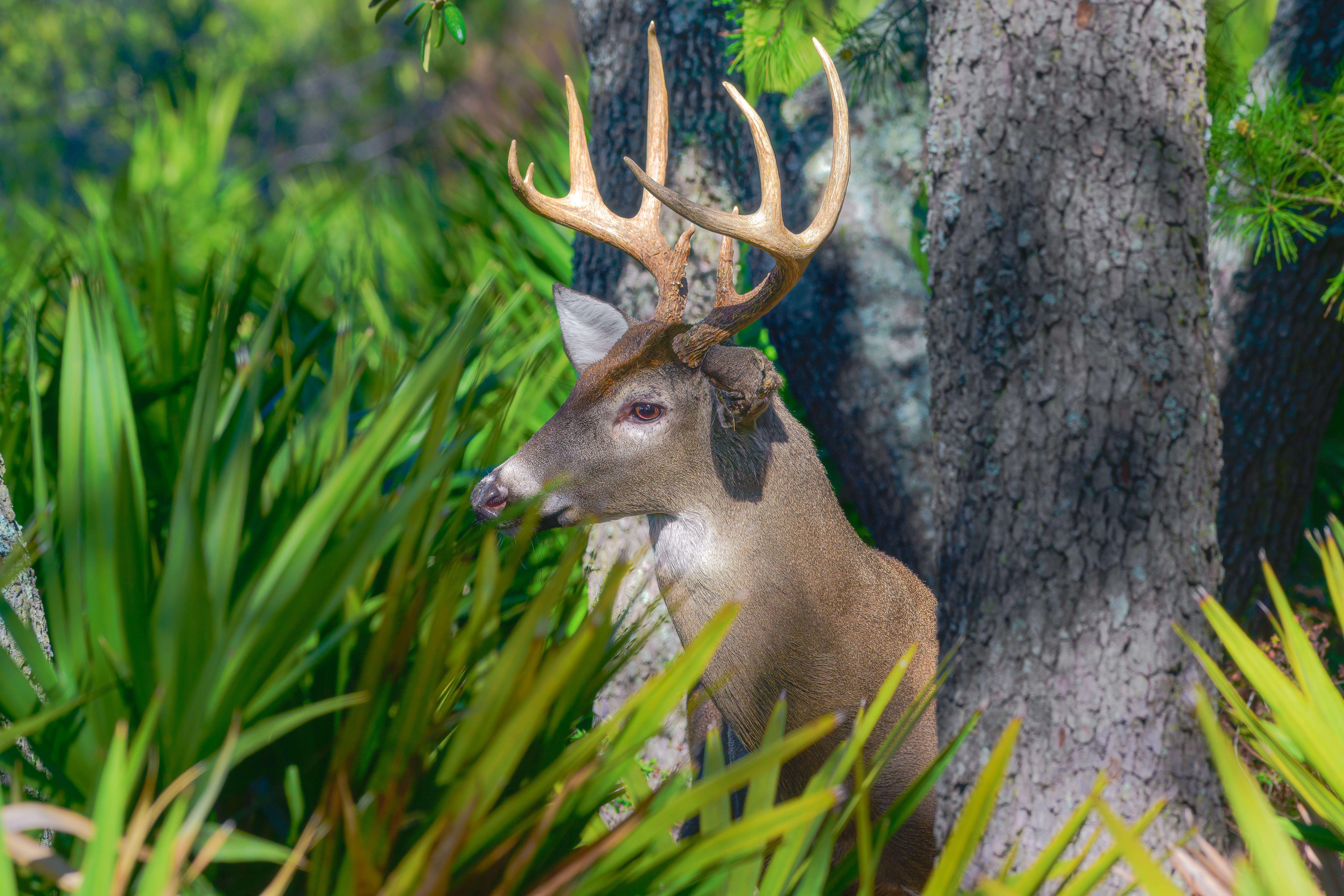
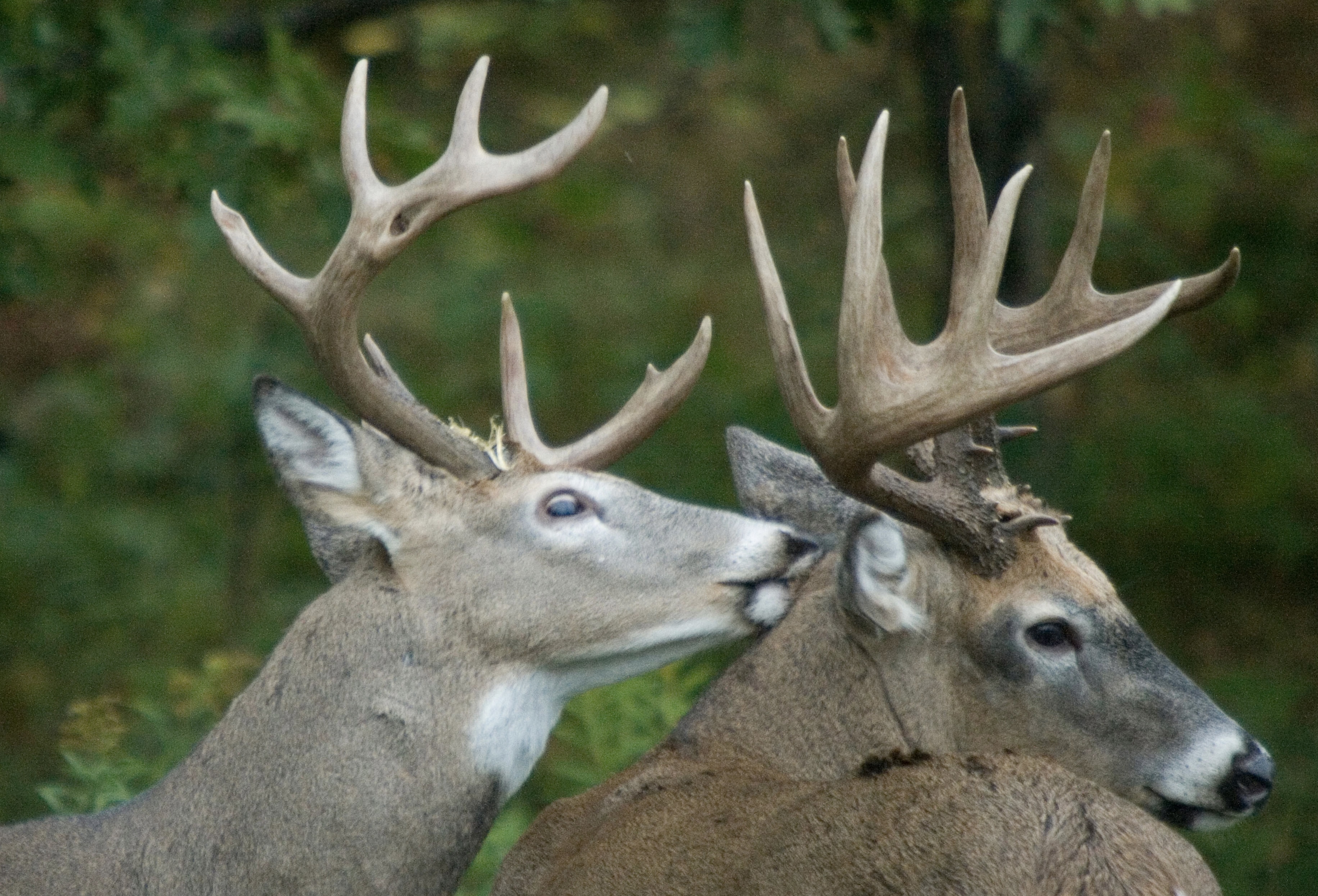
One of the many benefits of Quality Deer Management (QDM) is maintaining herds under carrying capacity. By doing so, other game species flourish with more forage and cover. An excess of whitetails will create distinctive browse lines exposing the very cover and food options that quail need. Therefore, it’s imperative you have a working QDM model for your property. Deer can and will outcompete turkeys and quail in the South.
Fire
We all know that prescribed fire is critical to fulfill nutritional requirements for game birds. However, your annual controlled burn plan should be designed to diversify early successional plant communities. Meaning, you would not want to go “scorched Earth” on every timber block every year. Burn blocks should be on a multi year rotation but that can certainly vary depending on your specific property, soil & sunlight conditions. In other words, make sure you manage and preserve high quality thicket sites for quail. Thickets may be the key to wild quail success.
Mowing
It’s very easy to eliminate quality cover for quail across your farm and many people don’t realize what they’re doing when it happens. The bush hog is the top culprit. Mowing is easy and landowners love to do just so but your farm doesn’t need to look like a manicured golf course. It should have roughed in roadways, bushy edges and fringes with structure.
Quail are birds of edge along forests and open fields. Sounds familiar, right? Well, their home ranges contrast that of whitetails. Bobwhites utilize approximately 40 acres. I only mow roads and travel routes once or twice a year. Typically, late summer after poults, chicks and fawns have some age. The most used reason/ excuse to mow roads and fields are snakes. If you’re afraid of snakes you probably shouldn’t be in the woods. Let the vegetation grow and save some poults and quail chicks.


Sawtooth Blackberries are excellent and a personal favorite of mine. The plant offers quality nesting cover with both horizontal and overhead structure. Plus the briar thorns are unforgiving with hooked barbs. Blackberry bushes can easily be mowed if not properly identified. Maintain along field edges for easy brood rearing cover leading to feed sites designed for quail chicks.

Food Plot Seed
If you plant annual warm and/ or cool season plots you should unequivocally have diversity. Plants should benefit wildlife across the board. Lately, I’ve seen definitive game bird success with this mix: sorghum, sunflowers, buckwheat, soybeans, peas & sunn hemp. The height and structure provides protection from predators. Just like turkeys, quail are also omnivores; eating both plant based food and protein rich insects. These food requirements should push every land manager to ease off the chemical gas pedal. Supplemental food plantings should be messy and easy for birds of any size to escape within. Furthermore, they should be loaded with insects!


Food Plot Size
Don’t get me wrong, I plant many fields with solely forage soybeans or lush sunn hemp. However, those fields are designed on the landscape for maximum deer nutrition and huntability. Meaning, they should be sizable to yield real nutritional benefits for deer. By comparison, “kill plots” are not designed for those results in deer. However, they are perfect for bird plantings. Just make sure to have roughed in cover surrounding the small plots.
Pines are a valuable commodity in the Southeast and can help fund your property. However, managing pines for maximum income doesn’t correlate to maximum wildlife benefits. Wildlife conservation is not a principle of standard forestry practices. This is certainly a conversation to have with your forester and / or property consultant. Ask the right questions and you’ll find someone qualified to help.


Do:
Plant native species around your property.
Ease off chemicals.
Leave edges messy and bushy.
Allow food plots to seed out.
Develop a controlled burn plan.
Trap predators routinely throughout the year.
Maintain varying pine age classes.
Don’t:
Mow throughout the year.
Allow a forester to dictate wildlife management.
Overuse chemicals.
Allow early successional plant communities to slip into a mid level stage.
Allow deer to overtake habitat.


Leave a Reply