

Preparing season long methods to hunt your land will consistently create opportunities to fill tags. Early and often. Maintaining sanctuaries is the best property feature to hold deer. Whitetails choose safety over food. Survival is above all for the revered White-tailed deer and a fabric of their existence. The highest quality food options are meaningless without adequate cover within reasonable distance. Why do your food plots or corn piles dry up with activity? Because deer choose survival over easy food options! They survive in sanctuaries, not in easily targeted sites like those previously mentioned. Sometimes, hunters discredit deeply ingrained prey instincts that evolved over millions of years.
Sanctuaries can be as small as 2-3 acres or as large as a couple hundred. Just because you label the section a “sanctuary”, doesn’t mean deer will use it as so. A stronghold requires safety and cover from 2 and 4 legged predators. To be an effective hub for deer movement, hunters must avoid the areas throughout the year. Excessive pressure will alter daylight activity and spatial occupation. This layout feature provides excellent hunting from early season to post rut as game filters outward into stand locations. Just by allowing unpressured cover, deer will travel more often in daytime hours to destination food sites and social hubs. Even if you don’t sit on the food source, you can elevate on trails in between. But at some point, before the season ends, you must hunt the sanctuary.
Late season hunting is arduous. Bucks are worn down from fights and dramatic weight drops. While does have endured the rigors of breeding season, along with raising fawns. Food options shift and survival tightens. Daylight movement patterns will pivot hard to strongholds where pressure is nonexistent. There you will find the best late season action. Hunt the perimeter or go deep. It all depends on the layout and size. Minimize presence by using a mobile stand such as a climber, tripod or lock-on with sticks. Play the wind methodically and never allow your scent to blow in the sanctuary. You’ll have a minimum amount of quality sits in this situation, so having a mapped-out plan is imperative.
With the season closing, you have nothing to lose other than old bucks slipping away for hopefully another year. Depending on the size of your sanctuary, some bucks might not venture too far except select times during peak breeding. Within high density herds, bucks may never need to leave unless in the cover of darkness. If a stronghold offers safety, bedding, forage, social and breeding opportunities, why would an aged buck with an annually shrinking core area drift outward? By hunting these haunts now, you’ll uncover real-time intel on buck usage that can be exploited next season.
Questions to consider while planning a hunt
Where do they bed? Along roads and firebreaks for vantage points? Deep in thickets?
Are bedding sites used by bucks and does?
What natural forage / mast are present and when are they consumed?
How are game trails laid out? Are they directly connecting to food plots, fields or non-hunted sections outside of the sanctuary.
Takeaway
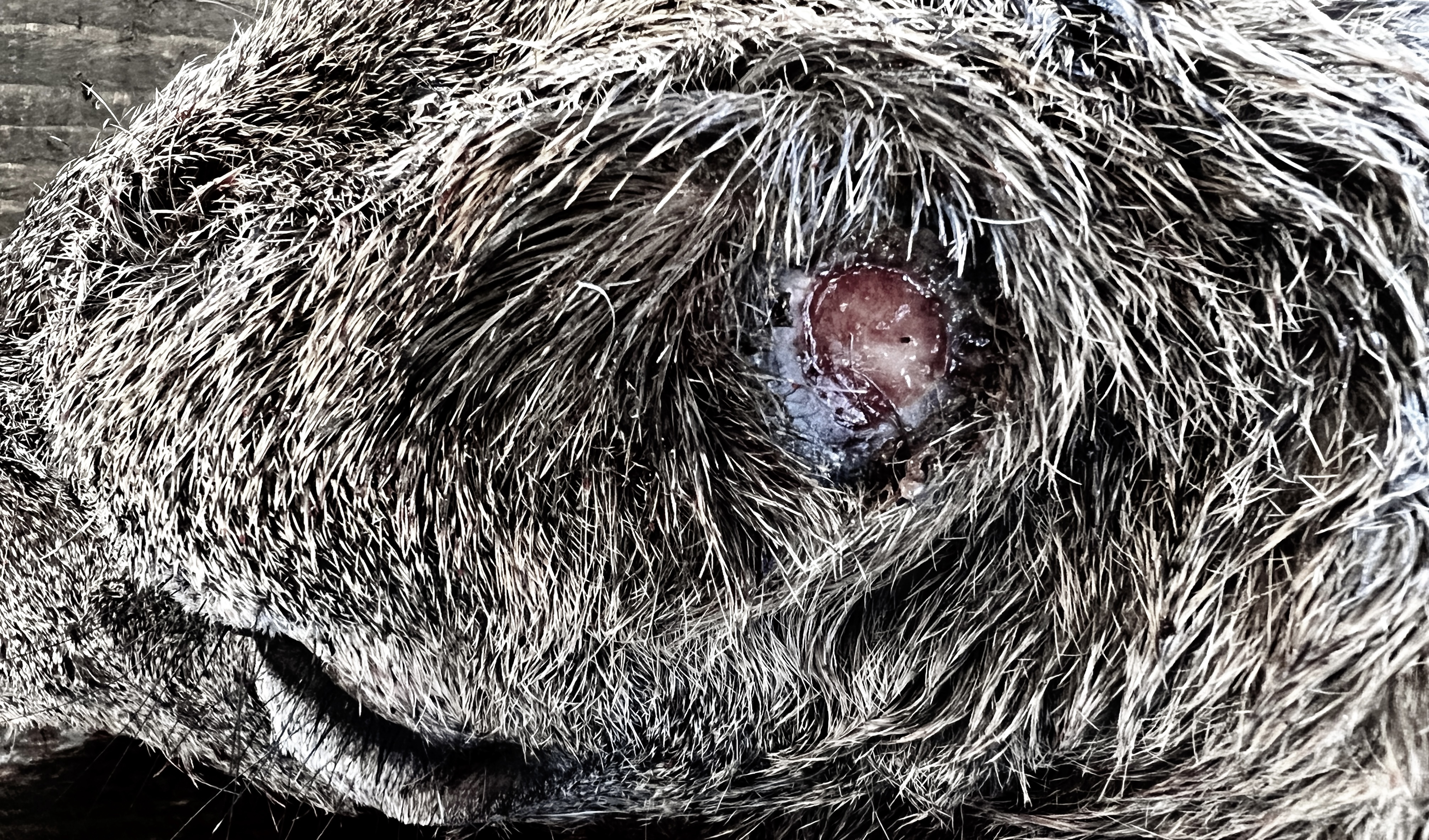
There’s a vast range of herd knowledge within your sanctuaries. Walking these areas post season is great but hunting them now will show exactly how and why deer frequent the space. Furthermore, you will likely place yourself within shooting distance of an antler set that’s been avoiding you all season. I was able to capitalize on this method inside a newly developed thicket system 12/21/25. I saw the buck once and was able to circle back 3 days later waiting for the right wind to close the distance.



Leave a Reply