
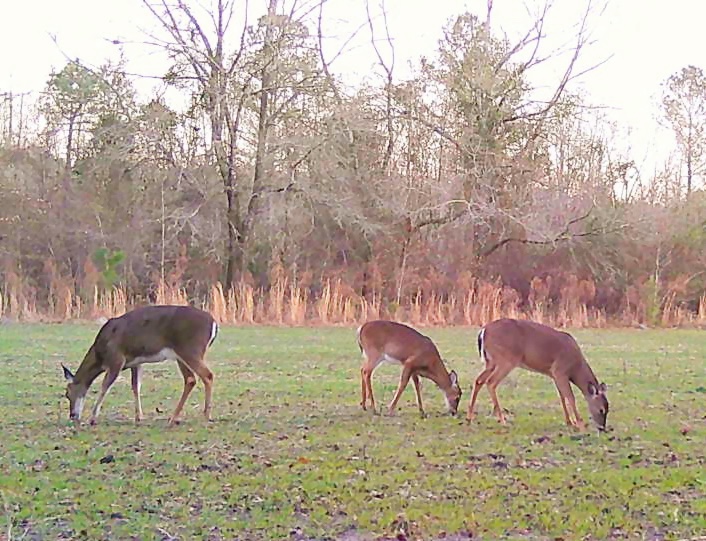
“Shoot more does” has made a deserving comeback within hunting cultures across the country. Why and how the approach to sound deer management all but vanished was laid out in my article: QDM: The Forgotten Practice. Most hunters understand why we must regulate antlerless deer with authority. Suburban cat ladies will never grasp that killing deer into a sustainable balance stimulates overall health. It maintains quality habitat from being eaten to a barren landscape. Furthermore, it yields more fawns, larger antlers, and better lactation production. Yes, improving herds with a trigger may be a silver bullet!
So, what age or quality doe should you shoot? Older or younger? With fawns or without? Single or within a group? Early season, breeding period or late season? Well, just like most questions regarding land stewardship, it depends. Herd factors and dynamics should tell you what to focus on and which side of the female population is ideal for tender cubed steak. Planning prior to the season will absolutely provide the best ROI from your time and cost of hunting.
Old vs. Young
This is the most discussed topic on doe management, so I’ll lay out several scenarios to illustrate the optimum age class to target. Older does are typically fawn factories. They have survived a slew of hunting seasons, predators and were successfully bred fall after fall. Seasoned females know how to raise fawns into cunning yearlings. They prepare bucks for their life ahead as breeders and prime specimens of Southern hunting culture. However, they are prime for removal if the herd is overpopulated and well above carrying capacity. Yes, this can be detrimental for the many benefits veteran females provide but high densities are far worse. Shooting these deer that annually produce twins and triplets is advantageous for a population reduction. They can be identified by the overall size and weight when compared to the rest of a doe group. The matriarch is usually the oldest. However, there are drawbacks to this method.
By consistently removing the oldest females you’ll create an age structure of 1-3 years. Obviously, average body weight harvests will decrease. With that, antler potential for fawn bucks will be limited as it’s set during gestation. This research was outlined in my last article QDM: Data within Jawbones. Therefore, this method should be tightly monitored and evaluated each post season from detailed record keeping. We implemented this method for several years and noted an average weight decrease from 120-130lbs to 95-110lbs. Our objective was to lower the density which was achieved. Now, we are shifting to target younger does.
Young does offer a different management return. The ability to survive, breed every fall, and raise healthy fawns comes from experience. Older does are the best to maintain within densities at or under carrying capacity. Targeting younger deer in this scenario is ideal. Overall, land managers have the least amount of stock invested in fawn – 2-year-old does. They have only been on site for a short period of time to consume high quality forage. While older ages classes, 3+, have years of quality food intake. That directly equates to larger antler sets and healthier fawns. When you keep QDM records and run yearly herd metrics, you’ll understand how many does to take annually. Don’t worry about shooting too many younger females because you’ll know exactly how many to kill from QDM data.
With Fawns or Without?
Before you jump to conclusions and hit me up on social media, please read this entire section first. This is the most misunderstood aspect of antlerless deer management. Hunters should not be concerned about fawn survival when taking a mama doe. State biologists do an excellent job developing season regulations and harvest dates rooted in doe structure. The white-tailed deer is one of the most adapted and evolved ungulate species. Period. Like most prey species, they develop rapidly. Standing within minutes and walking within hours. Fawns can be completely weaned from milk by 10 weeks. Sometimes, they will nurse longer but it’s not necessary as they will be browsing on the same forage selections as their doe group.
Spots vanish after 3-4 months which is typically mid-September to mid-October in most states. However, that is directly dependent on breeding dates. Fawns alive by the fall are considered to be “recruited” into the herd. Your fawn recruitment rate can be easily calculated by a hunter observational log. When harvested, matriarch does are replaced within the group. Another will take the lead and fawns will follow suit.
Additionally, fawns that reach approximately 75lbs at 5.5-6 months of age will be sexual mature and ready for breeding. That certainly puts perspective on the accelerated growth of female deer and why you shouldn’t think twice about pulling the trigger if it meets your management objectives.
Does without fawns can sometimes be hard to identify if it’s traveling by quickly. If she is feeding for a while or milling around, you should see the fawns soon if not first. It’s impossible to distinguish does that aren’t bred from those that lose fawns to predators or natural causes. But at that point, you’re overthinking the harvest. Shoot the doe and meet your goals.
Single or Within a Group
Honestly, this question doesn’t carry much weight. A single doe could be a loner or possibly a result from a busted-up group during breeding season when does are interacting with bucks in various behaviors. Either way it doesn’t affect much. Shoot the deer. A group scenario is the most common. They generally consist of a matriarch, maybe another older doe, 2-3 that are young and several fawns. Taking one will not alter your herd dynamic. Groups will accept new members as deer come and go through their relatively short lives. Remember, you are managing the herd, not individual deer.
Early Season, Breeding Period or Late Season?
The age-old dilemma for hunters. This is my opinion after intensely managing a deer herd for 20 years – shoot does early and often! Does are not educated when the season opens. It’s an outstanding time to jump start management harvests before the rut fires up. I’ve heard many hunters claim that shooting does before breeding season will shift bucks or run them off which is simply not true. Be methodical and you will not have an issue. Deer do not relocate from hunting pressure; they adapt to us. The female sector will remain on site and so will your bucks when the first estrous hits the air.
If you’re still unsure about taking does prior to the rut think about this example: Let’s say you plan to kill 10 does from your land. You’re thinking about targeting this goal in either September or December so that it leaves October and November open to pursue bucks. By taking them in December, you’re allowing the deer to consume forage for an additional 60 days. Deer consume roughly 6% of their body weight daily. If your average doe weight is 105lbs that’s a staggering 3,780lbs of forage the 10 does will have consumed over the 60-day period. Nutritional intake that could have gone to deer that you plan to leave in your herd. Does that will be producing next years fawn crop and bucks that will be expressing their best possible antler sets. Now, ask yourself, is it better to shoot your 10 does early or late?
I lay off does during the rut to increase odds of burying 150 grains into the vitals of an antlered deer. I will take does but it just depends on the situation. Being aggressive early allows freedom during the rut to sit back and watch the main event unfold.
Late season is perfect to finalize harvest numbers. Deer are back to somewhat normal bedding and feeding schedules.
Challenges to Overcome
The top issue for hunters is effectively identifying age classes from body shape, movement, and perceived weight. I’ve learned many ways to help eliminate guest mistakes but each season there’s always someone that surprises me with a new way to @*#% up. My tips to overcome doe identification issues:
- Don’t shoot the first deer you see. Usually, it’s a fawn and will be a 50% chance of being a buck.
- Wait to you have more than one antlerless deer in front of you to compare body sizes.
- Don’t shoot a spotted deer. Amazingly, this happens with adults. The typical excuse is “inferior optics”.
- Understand that fawns will be spotless with a well formed, proportionate body for their size by November / December. The length and crest of the head is a dead giveaway. I wish I could only count on one hand how many times guests have shot a “doe” in December that quickly morphed into a healthy 6-month-old buck.
- Don’t shoot late! Know when legal light ends (30 minutes after sunset) and know the ability of your optics.
- Don’t attempt to shoot a second deer immediately after a shot. Odds are very high a fawn will hang around for a minute and there’s a 50% chance it’s a buck.
Enjoy the Hunt
Lastly, have fun. Enjoy building memories with friends and family. Honest mistakes happen. Whitetails are a renewable resource providing high quality red meat and a pursuit like no other. The rewards of managing antlerless deer provides a slew of benefits for other wildlife species, as well as a significant uptick in quality bucks on your wall. Remember, you are managing the herd, not individual deer.


Leave a Reply