
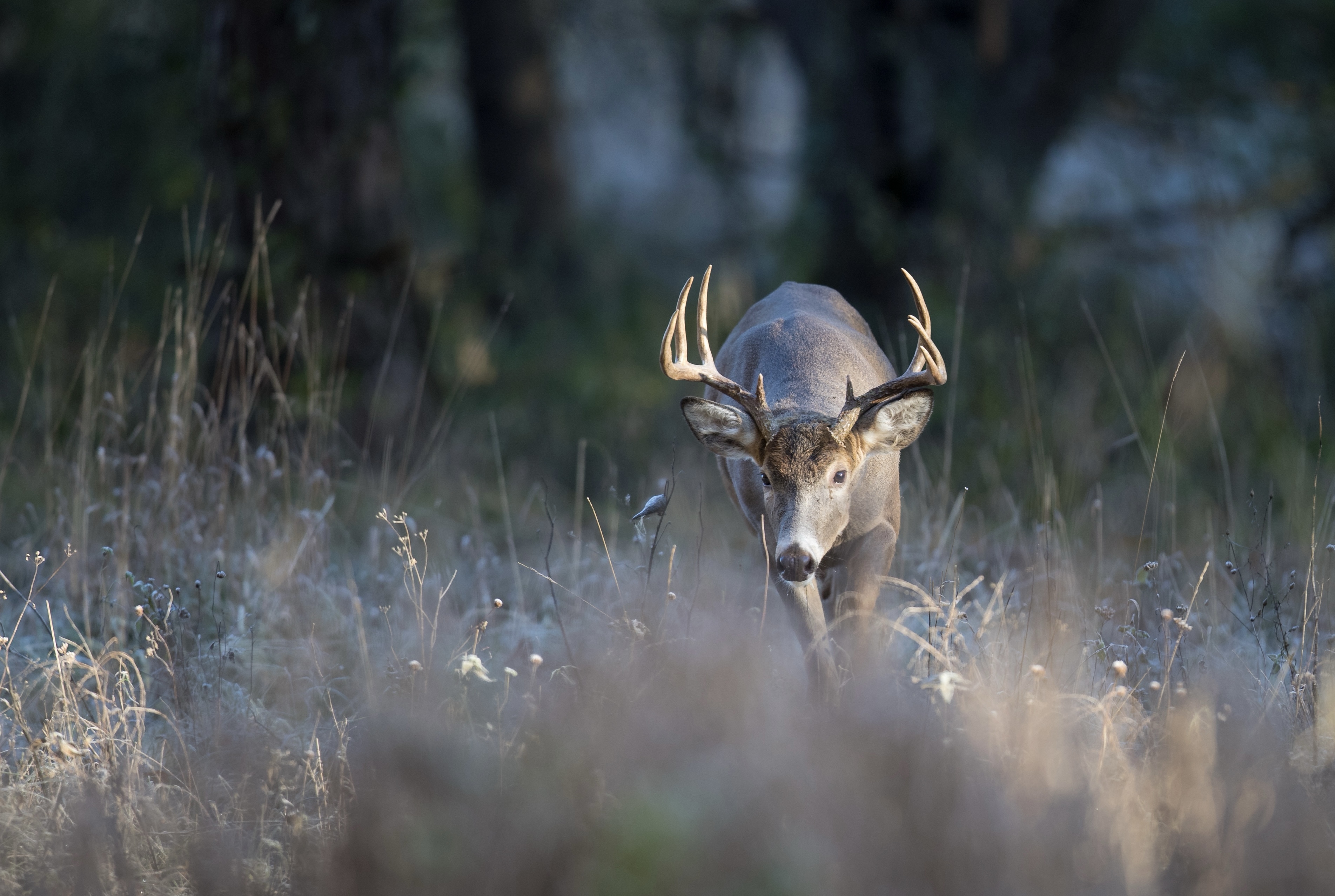
Deer decoys aren’t just for the Midwest and you don’t need to be immersed in agriculture fields or extensive, well-manicured food plots (but they can certainly help). Pinpointing your local breeding window and scouting doe locations for late October and early November are the key factors.
I’ve always believed the best rut decoy to be a doe, and I’ve killed many good bucks using the method. Why not mimic a doe in heat? During breeding season, what is a buck really looking for—a hot doe or rival buck? The latter is what stands in the way of the goal. You catch more flies with honey, and you’re more likely to entice a jacked-up, testosterone-fueled bruiser with a doe ready to breed.

The time is ripe to implement when the first estrus cycles hit. Proper timing is critical to capitalize on bucks hunting female companions. Exact conception dates can be identified by recording late season doe harvest data. As long as females in your herd are cycling through heat, this method will be effective.

Estrus scent is unmistakable in the whitetail woods. In my area of South Carolina, it fires up the third week of October. Bucks are up and running with one goal in mind: to continue the species survival. Don’t wait for bucks to hopefully walk by your stand. Instead, use a decoy and you may be pleasantly surprised what appears coming in on a string.
Through scouting and herd intel, you can lure a buck of any age class within bow range—even within heavy hunter-density areas. But it’s not a tactic for every hunt; only decoy when conditions are suitable and the wind is in your favor. I may only hunt this style once a year and have gone a couple of seasons without doing so at all. It’s a gut feeling to execute or not.
Finding Success
Scouting antlerless deer is crucial throughout the season. Hunt does to kill bucks. It sounds obvious but too many hunters focus on buck beds, scrapes and rublines. If you find does during the breeding season, you’ll find bucks. Guaranteed. We chase bucks and they are chasing does. Know where antlerless deer bed and where they travel to feed. Keep in mind they typically occupy homes ranges of 170-200 acres and groups will overlap each other.
I don’t target buck bedding areas as it’s highly unpredictable during the rut. They travel throughout the day and will lie down anywhere and everywhere.

Ideal Locations
Food plots and agriculture fields are my go-to locations when a big-antlered whitetail is in the immediate area yet reluctant to step out amid legal shooting hours. Once bucks commence their pursuit of hot does, it can be rather challenging to obtain a clear shot of their vitals. This is exactly why I choose a decoy to lure and stop a buck for just enough time to squeeze the trigger.
Other desirable setup areas include clear-cut sites within proximity to bedding, open pine blocks, and bottomland hardwood sites. Ideally, these should be adjacent to thick, impenetrable cover or even a staging area. Consider doe bedding areas and how they’ll travel to destination feed sites.
I find it sufficient to give whitetails a buffer of at least 50 yards before they lay eyes on the decoy. You don’t want to startle an ungulate prey species that has evolved over millions of years. Especially, a cunning, highly alert matriarch doe. It’s vital to play the wind smartly and don’t spook deer that you aren’t planning to shoot. Access with a decoy can be loud and cumbersome. Have a methodical plan prior to taking the woods.
I’ve never had a doe become alarmed from my decoy which has always surprised me but I do avoid tight confines. They usually look briefly, but that’s about it. Why? Because female deer are generally more comfortable around each other during the rut. Bucks tend to aggravate and annoy does when they aren’t receptive. From 1.5 year olds to the oldest on the farm. That’s another reason why I run a female decoy set and not a buck.

Killer Scenarios
This tactic is highly effective if a buck is working an area but hasn’t presented a shot opportunity or if he hangs back in a staging area until dark. The upright decoy posture commands attention. It’s not feeding or startled; simply gazing off.
If you find a doe food source that’s loaded with fresh buck sign (scrapes, tracks, and rubs), it’s prime for a mature whitetail to surface and there is a likely a dominant buck working the feed site. Too much pressure on stands will push does out and bucks will follow suit. This is always a risk should you sit enough times without pulling the trigger. Get aggressive and lure a shooter in before deer detect hunter presence around a stand. As mentioned before, it’s a gut feeling to use or not.
Setup
Position the decoy on the opposite side of where you expect a buck to enter your field of vision. Don’t place it close to your stand unless bow hunting. You don’t want your movement detected. Typically, I attract several young bucks for every mature 4+ year old whitetail.
I recommend using scent where legal. I prefer estrus scent in reusable cans. Use the wind to your advantage and position the decoy and scent to drift where a buck should appear.
Bleat calls can be effective but don’t overuse. Less is more. Be deliberate with sounds that vary slightly each time. A little goes a long way and altering the duration and sound is killer for natural authenticity. Grunt calls can also be good to entice a buck within earshot to check out the scene.
Lastly, always be safe when transporting and setting up deer decoys. It’s imperative to wear hunter safety orange, use a headlamp, and never assume what other hunters will do — even on private land. Be sure to check local game laws before using a decoy and scent.

Leave a Reply