
Americans have slowly transitioned into a lifestyle of instant gratification and high level convenience for just about every aspect of daily living. We are no longer forced to hunt and gather for sustenance. Yet, is this new age setup ideal for our well being, nutritional intake, and wildlife stewardship? The latter is the primary disconnect between conservationists and non-hunters.
You Don’t Have to Pull the Trigger to Eat Like a King
Deer managers implement many practices for herd balance and age structure. By doing so, they harvest high numbers of deer annually. Typically, more than their households will consume before the next season. Don’t be shy; ask a hunter or land owner if they have extra venison. You may be doing them a favor as many hunters are reluctant to shoot needed harvests because they don’t have someone or an entity to readily accept the meat. At my family farm, our annual harvest tally yields more venison than we can eat over the following off-season. Therefore, we have an established list of friends, family and people throughout the community that gladly accept clean red meat.
Make it easy for non-hunters. Quarter and debone meat. Or drop off at a processor and have the recipient handle pick up. As a deer manager, how many times have you passed on deer because you couldn’t fit anymore in your freezer? The solution is within your contact list.
Abundance
The white-tailed deer is the ultimate survivor. North America’s original red meat dating back nearly 4 million years that of which were discovered in Florida. Dr. Valerius Geist believed deer could potentially date back even further but melted glaciers in higher latitudes could have buried fossils and bones from ever being uncovered. They thrive from South America to northern Canada. Clear water islands to extreme tundra-like temps.
Deer have adapted and evolved to become one of the sharpest, cunning and methodical prey species. What has also changed over the past several hundred years is the removal of predators. Bears, wolves, and mountain lions helped thin numbers naturally before early settlers arrived. From the early 1800s to the early 1900s, wildlife took a devastating toll that nearly wiped out some species completely and left many with fractions of their former vast ranges. The establishment of game laws and conservation driven hunting seasons and regulations saved our native wildlife. However, we’ll never see reintroduction of natural predators across the U.S. for a litany of reasons that should be covered within a separate article.
Whitetails live in rural ranges, sprawling suburban HOAs, and densely populated city limits. Generally speaking, there is no shortage of deer, and they are abundant! With an average red meat yield of 35-40%, why are we overlooking the opportunity?
Renewable Resource & Sustainability
Years ago, during a conversation about herd management an Alabama plantation manager referred to deer as a renewable resource. Meaning that the game species provides many resources for us and they are proficient reproducers thriving across the landscape. Sure they have pockets of low densities and wild diseases can affect numbers but overall they are sustainable.
Sustainability is a buzzword that doesn’t often get used for deer. They were here before the first humans settled North America and they are self-sustaining when properly managed. As a result of our civilizational impacts on habitat and wildlife, management is required to sustain healthy herds. We have a lean, protein rich renewable red meat resource living amongst us. Why are we not considering venison as an alternative to the meat industry? After all, inflation is soaring and the average cost of ground beef is $5.50 per pound.
Species & Wildlife Benefits
This is the part that anti-hunters cannot grasp. Not because they can’t comprehend, but because it doesn’t fit their agenda. The extensive growth and expansion of America was never going to coincide with apex predators. The general public would never accept the threat of mountain lions routinely killing large dogs from their suburban backyards. Nor would they be ok with a bear clearing out a drive-thru line at Chik-fil-a or a pack of wolves stalking a runner through a park. Like it or not, the removal of apex predators was inevitable with our accelerating expansion of cities, populations and depletion of native habitat and ecosystems. I’m not stating it’s for the best, I’m simply affirming reality. People can’t even deal with non-venomous garter snakes that regulate vermin populations.
“Harmony with land is like harmony with a friend; you cannot cherish his right hand and chop off his left. That is to say, you cannot love game and hate predators… The land is one organism.” – Aldo Leoplod.
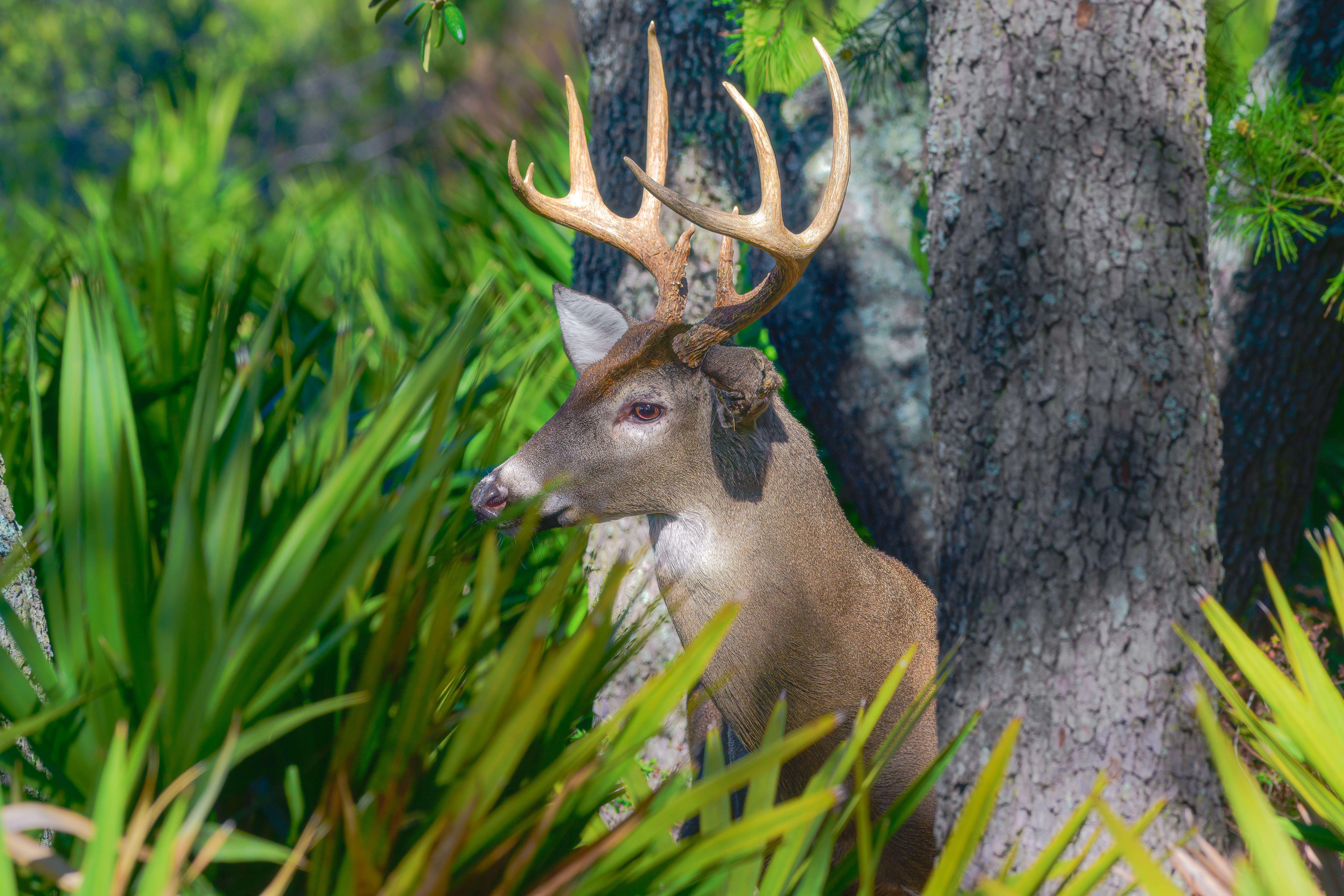
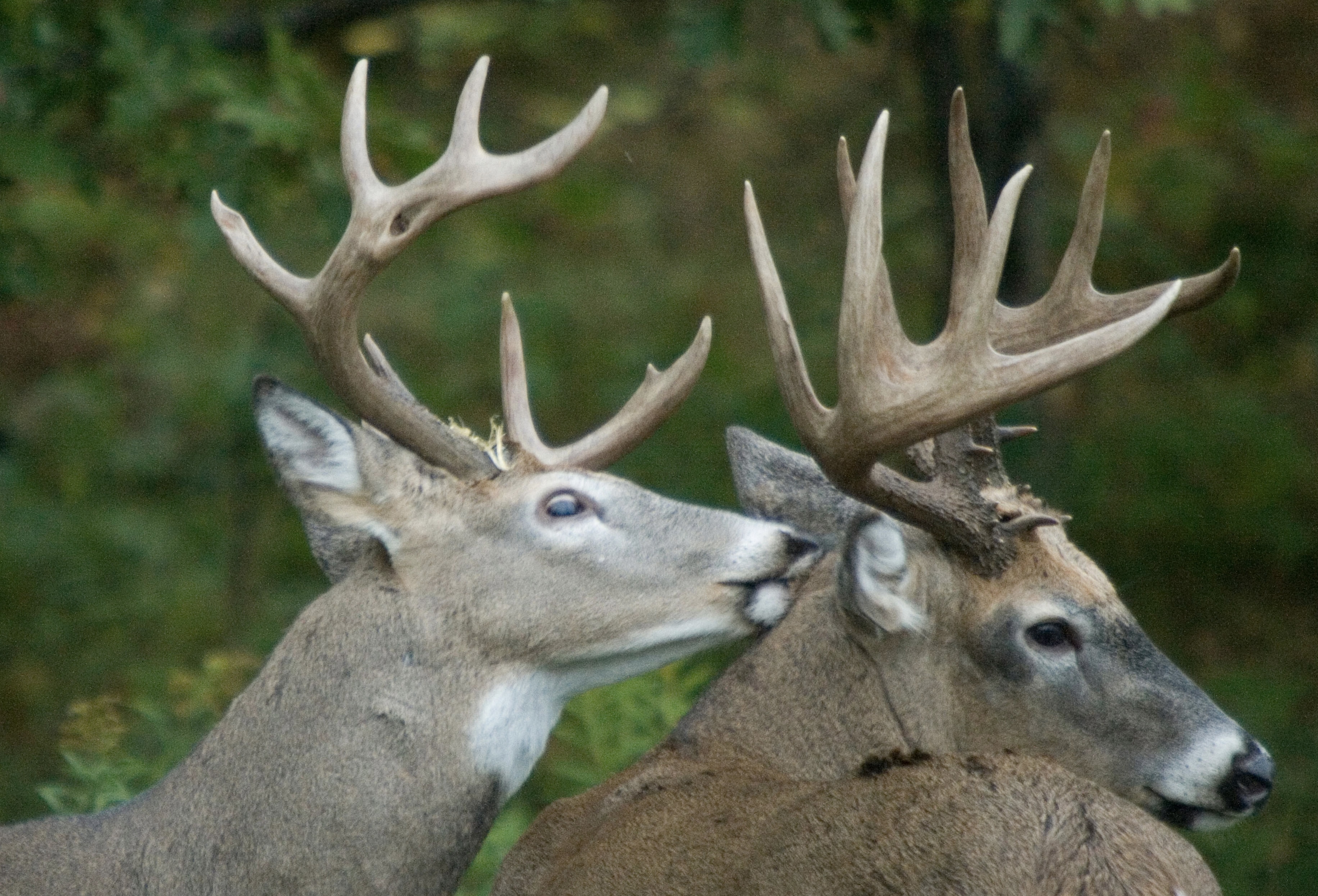
White-tailed deer require balance. Without natural predators and quality habitat they can and will struggle. Diseases and a decline in health will occur. Just because numbers are high doesn’t mean they are fully expressing genetic potential. Hunters play an important role in deer herd management within our modern society of monumental landscape changes since the early settlers. Deer maximize full potential when they are hunted! Herds at or under carrying capacity produce the following:
1. Higher fawn recruitment rate
2. Better lactation production
3. Larger antlers through an increase in genetic expression
4. Does birth more fawns
5. Increase in overall health
6. Heavier weights
7. A decrease in overbrowsing of quality native food options
9. An uptick in nutritional intake needed for survival in the elements
10. A balanced age structure that promotes better social behavior
Nutrition
It’s no secret that venison is a top tier protein option. It’s leaner, has less fat and calories than beef. It’s a wonderful option for those with cardiovascular disease and it’s loaded with essential amino acids. Health benefits are numerous and Google will supply plenty. Pound for pound it stacks better than beef. Investigate nutritional facts about clean deer meat and ask yourself – why wouldn’t I incorporate venison into my diet?
Why Has Venison Fallen Off the Radar?
We’ve come a long way from the early days when venison and bear meat ruled the American diet. Ever wonder where the term “buck” derived? Deer hides were currency because meat was routinely consumed. Wild game has been shunned from society. But why? Fancy and pretentious restaurants always feature venison. Yet, those that dine at overpriced establishments tend to not accept hunted meat into their diet. I blame Walt Disney and similar outfits that wrongfully educated Americans into the idea that cute animals shouldn’t be consumed for nutritional value. That McDonalds and processed meat are somehow superior to clean wild game living wild and free. There’s an approval scale of animals that society deems appropriate to kill and eat. One end are deer, ducks and rabbits. On the far end are pigs, turkeys and chickens. Do you notice a pattern?
For Non and Anti-Hunters
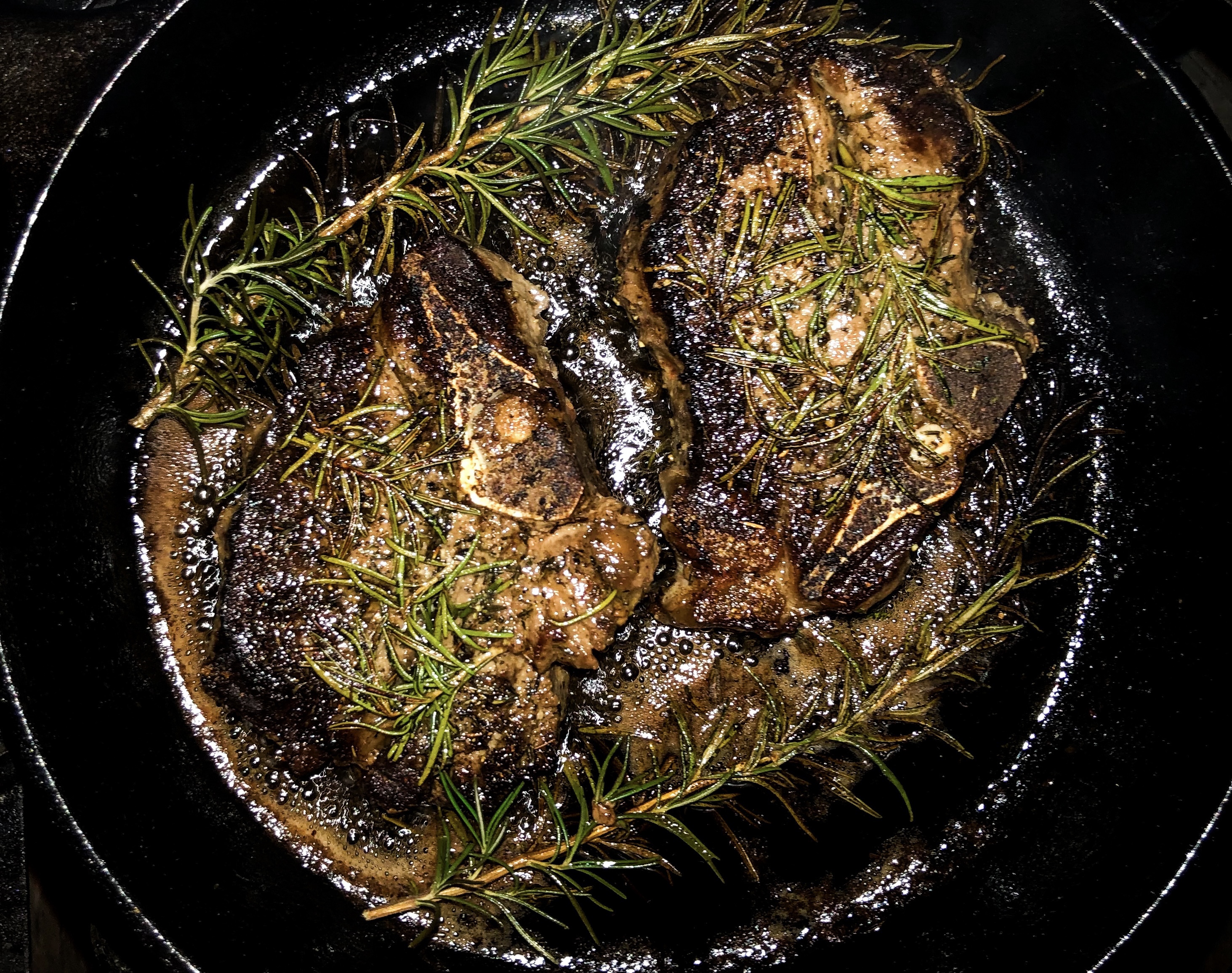
This isn’t meant to be a slam piece. Rather, my point of view is to educate those who aren’t willing to learn about the white-tailed deer and the sustainable benefits. The finest red meat in America. Living wild and free. Discussions are healthy; just like a venison t-bone cast iron seared in butter and seasoned with garlic, salt, pepper and fresh rosemary.

Leave a Reply