
Venison is America’s superior red meat but it’s often labeled as “gamey” and needing voluminous quantities of marinade to mask the taste. Is it the meat or is it the way hunters and processors handle the game from field to freezer? It’s the latter and not the natural flavor. A fine cut of thinly sliced raw venison backstrap with a dash of garlic salt & cracked pepper is one of my favorite meals from our farm. Pure, clean deer meat is remarkably better and more nutritious than beef. Below are several tips to preserve the integrity of your success in the whitetail woods.

Shot Placement
Poor placement is the start to bad tasting meat and accuracy is established on the range. Practice, repetition, a zeroed scope or dialed bow, and maintaining the exact setup with bullet or arrow grain are vital. If your nerves are bouncing the crosshairs, keep the safety on and squeeze the trigger several times on the target until you’re at ease. Think exactly where you want the bullet or arrow to hit. Prolonged deaths can and will affect the flavor of meat.
Drain the Blood
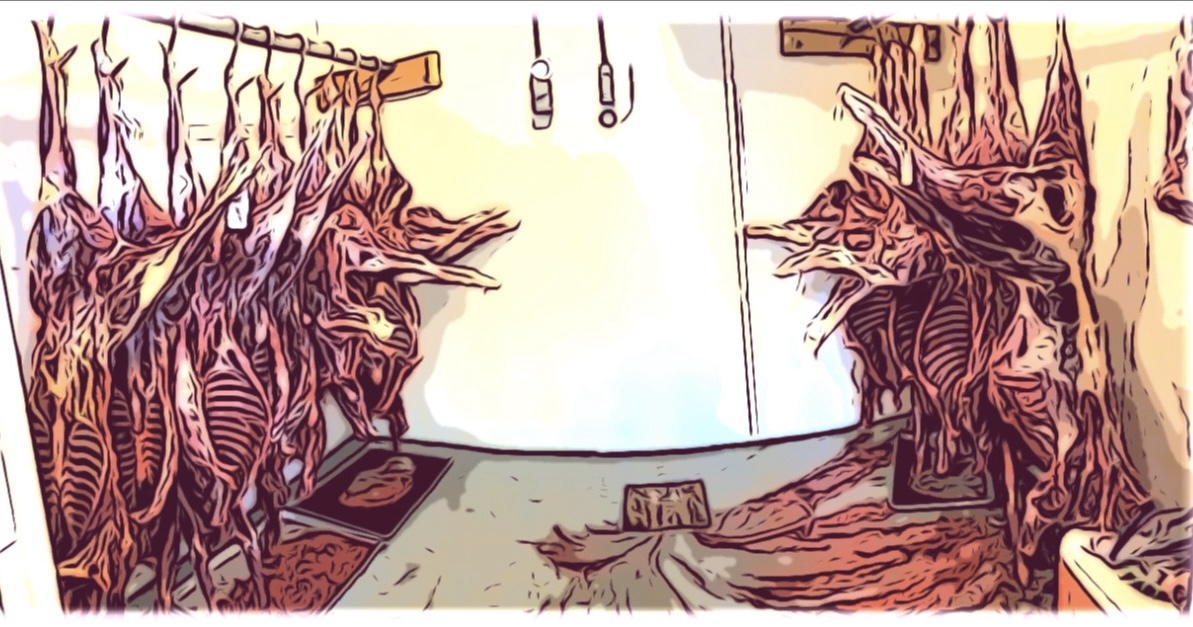
The top complaint of deer meat is a “gamey taste”. More times than not, this taste is caused from saturation of blood. Allowing the carcass or quartered & butchered meat to hang will drain the majority out. This can be accomplished in a walk-in cooler or within your garage refrigerator by removing the center and lower racks. Rig a system to hang meat with S hooks and you’ll be amazed by the volume that drips out. Blood will be out within 12 hours or less. Keeping venison in an ice cooler will not provide the same results.

Direct Ice Contact
Speaking of ice……water will ruin meat! It compromises the taste by soaking into the muscle and tissue causing discoloration to a gray tint. Water saturation will promote bacteria formation as well. If your only option is an ice cooler, use separation so the venison doesn’t have direct contact. Another option is to fully enclose and tie off ice bags inside a contractor grade trash bag. Lastly, should you not have those options, at least open the drain plug and elevate the opposite side. This will keep the meat from sitting in water. It’s not the best choice but it’s better than nothing.
Proper Freezer Wrapping
Freezer burn creates a distinct taste in meat. Even after trimming the discolored areas, the smell and taste will most likely be throughout the cut as moisture is pulled out. I’ll push through the taste when a package emerges from the depths of the freezer but I certainly don’t want to serve it to my family or friends. Vacuum sealing may be the most effective. If that’s not an option, I’ve always had success with two layers of cling wrap and then freezer paper. Another tip to avoid freezer burn is to eat the meat within 12 months!

Leave the Silverskin on
I don’t recommend consuming the silverskin but I do suggest leaving it intact when wrapping a backstrap for the freezer. It will act as a barrier for freezer burn. Simply fillet it off when its defrosting. I prefer to do so before the cut is completely thawed.
Trim Shot Trauma
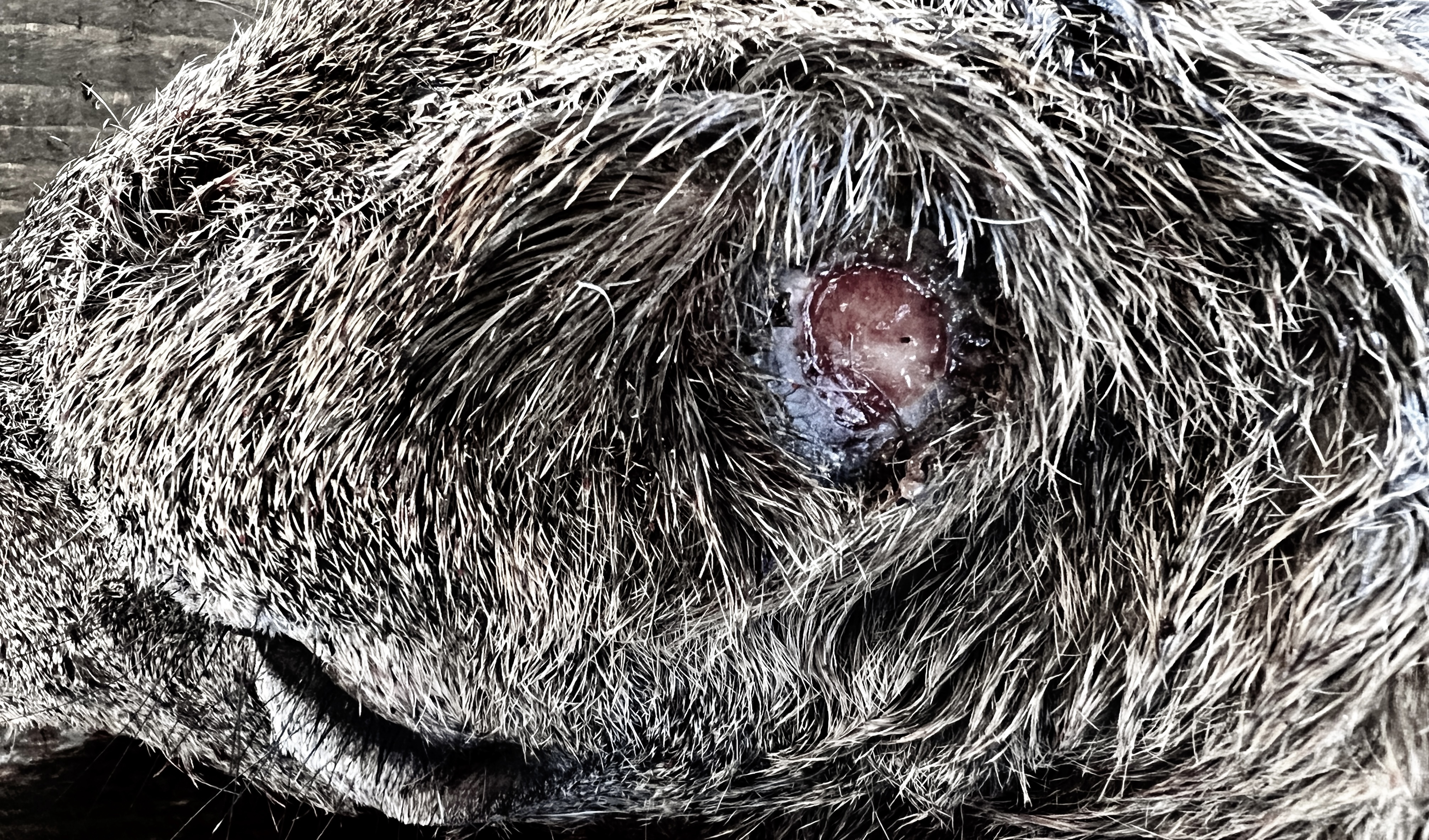
Whether your kill is from a bullet, arrow, bolt or truck you will likely have concentrations of blood saturated tissue and muscle. Cut it all out and discard. Why let the forms of blood mass soak into good meat before you or the processor trims it off down the road. Those areas will also trap dirt, gut matter and anything else you don’t want to infect the meat.
Age the Meat
The length of time that’s ideal to age venison is relative to your latitude, climate and humidity. Experiment with the method and determine what works best. For my walk-in cooler, 3-4 days is the sweet spot. Longer time in the cooler will dry the meat out and will produce a darkened coat that will need to be trimmed off. Everyone has their own preference. Test different lengths of time and see what is ideal for your setup.
There is a large contingent of hunters that leave the hide on my aging and swear by the results. I do not have experience with this method but I respect the opinion of those that do. We avoid any deer hair within our walk-in cooler as some of the family has allergies.

Gutting
Take your time and learn how to open the body cavity with precision. Every season I see how many deer I can skin without slicing the stomach, organs, bladder, etc. Slow down, rely on a razor sharp knife and use tension to your advantage. Spilling said matter on the meat can and will alter the flavor and may cause bacterial growth if not immediately washed off. Stomach contents like browse foliage will stick to muscle tissue like glue; even with a hose on full jet-stream blast. Should that happen, I always trim the area off. Remember, tension and blade sharpness are keys to proficient skinning.
Processors
The good, the bad and the ugly. A good processor will wrap meat professionally and yield roughly 35-40% of deboned meat. I used many processors before we built a skinning shed. How is it that a 180lbs buck and a 100lbs doe yields the same size box of wrapped meat? We experienced that issue years ago at a now closed operation. The skinner had an uncanny resemblance to Brian Knobbs. The bad ones won’t save shanks, neck meat or fillet meat off the bone. Find a professional butcher that handles deer and you’ll eat like a king. Also, skinning your kill before drop off will save you about $40.
Rinse the Carcass
If you listen to the podcast, you know this was the only thing Craig Harper and I disagreed on during the Deer Steward weekend. My process is to always blast off the carcass right before it goes into the walk-in to hang. This is to knock off hair, dirt, blood, bone fragments, stomach matter and any other unwanted items. Craig’s point is that by doing so you’re soaking the meat with water as I previously mentioned in this article. I’ve never experienced that with a quick blast of water especially when the meat will hang to age and drain over several days. Spray down the carcass at an angle. If you’re sending the meat to a processor, they always appreciate a clean carcass.
Lymph Node Gland Removal
I learned this tip from Joe Hamilton. The hind quarters have a gland that should be removed. It’s located within a thin strip of white-ish tissue between the bottom round and the eye of round cuts. You’ll see it once the eye of round is removed. The gland will alter the flavor within the hind quarter. Don’t forget the eye of round eats like a tenderloin!
Gut Shots
As mentioned above, perfect shot placement is formed on the range. However, we all make mistakes and sometimes there are factors out of our control. Should the shot hit the mid section, remove and discard any meat that comes into contact with the exposed, vile matter. Guts opened while skinning can be quickly washed off unlike initial hits that will take time for the deer to expire. Meanwhile, the body cavity contents are soaking into the meat. Especially the beloved tenderloins. Remove the infected meat immediately. The rest can absolutely be salvaged.
Trachea
My final tip is to always remove the trachea as it’s routinely overlooked. It can hide in the neck after the head is cut off. Sometimes, it’s relatively empty while other times it’s full of debris that comes up during expiration. Cut it out and toss it to your dog as a treat.




Leave a Reply